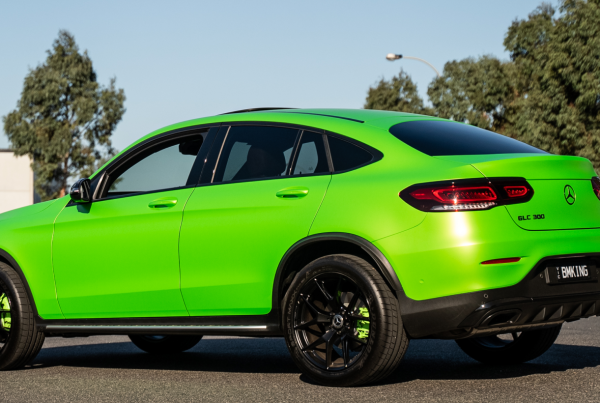
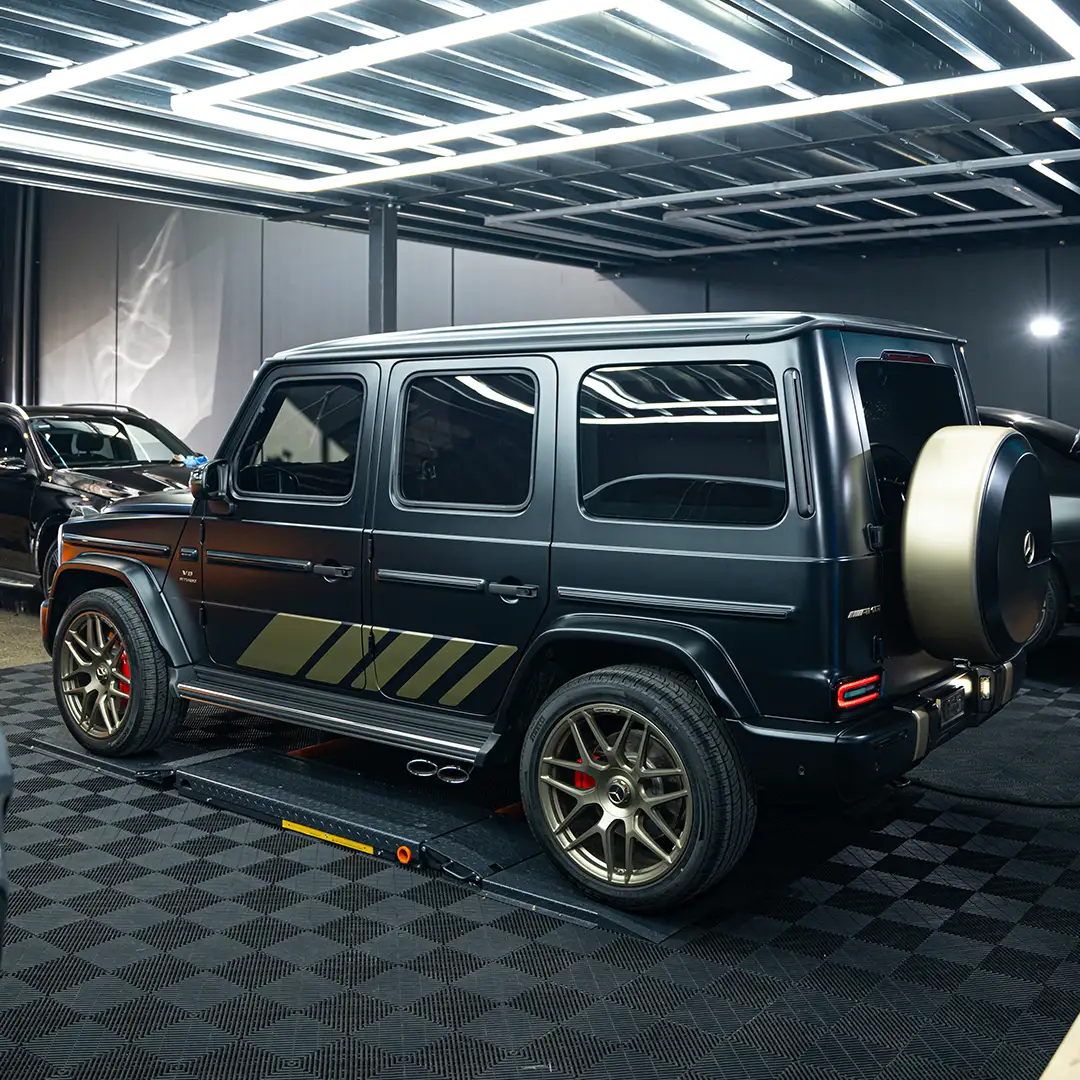
When it comes to giving your car a fresh look or protecting its paint job, vehicle wrapping has become a top choice for many Melbourne car owners. The process may seem complex, but it’s actually quite accessible—and surprisingly straightforward. Let’s dive into each step, uncover the tools involved, and set your expectations as you consider vehicle wraps in Melbourne.
1. Why Vehicle Wrapping? Beyond the Paint
Most car owners know the value of a good paint job. But paint can fade, scratch, and chip over time. Vehicle wraps in Melbourne offer a flexible alternative that allows you to change the look and feel of your car without committing to a permanent colour or design. And unlike paint, wraps can offer additional protection against the wear and tear of Melbourne’s streets. With wrapping, the choices are endless. From matte to metallic finishes, bold colours to intricate designs, you can transform your car to reflect your personality or make it feel like it just rolled out of a showroom. Plus, when you’re ready for a new look, wraps can be removed without damaging the original paint.
2. Prepping Your Car: Where It All Begins
Preparation is essential in vehicle wrapping. This first stage sets the foundation for the entire process. Think of it as laying the groundwork to make sure the wrap adheres flawlessly. The experts will give your car a good scrub—inside and out—to remove any dirt, grime, or wax that could mess with the adhesive. Once it’s squeaky clean, the car is dried and examined. Any tiny bumps or imperfections can spell trouble for a wrap, so technicians will often buff these out to smooth the surface. After all, the wrap needs a canvas that’s as close to perfect as possible.
3. The Design Phase: Dream Big, Drive Bold
This is where your ideas come to life. The design phase can be as simple or as extravagant as you want. Whether you’re going for a subtle colour shift or an eye-catching pattern, the team will work with you to create something that fits both your style and the car’s shape. Using digital software, designers can show you how your chosen wrap will look on a model of your car. Adjustments are made until you’re fully satisfied. Want your logo? They can add it. Have a favourite sports team? They can create it. In the end, you get a digital preview before any material touches your car.
4. Measuring and Cutting: Precision Matters
Next comes the stage where measurements are taken with the skill of a tailor, aiming to avoid unnecessary seams and overlaps. Every curve, edge, and contour of your car is considered. This attention to detail is crucial, as ill-fitting wraps can wrinkle or peel. The wrap material is then cut to size. Unlike fabric, though, this material isn’t forgiving if you make a mistake. There’s no room for error here, so the team makes sure each piece is an exact match. This phase can take some time, but it’s worth every second for a seamless fit.
5. Application: The Wrap Goes On
Now for the moment of truth: applying the wrap. Technicians will start by lining up the cut pieces on your car, working in sections to apply them. They use heat guns and squeegees to smooth the wrap as they go, stretching and adjusting to fit each area perfectly. This is where PPF in Melbourne, or Paint Protection Film, often comes into play. Many car owners combine traditional wraps with PPF to protect high-wear areas like the front bumper or hood. PPF serves as a clear barrier against chips and scratches, adding an extra layer of defence while keeping the original paint intact. Each section of the wrap is slowly adhered, with experts working to remove every single air bubble or wrinkle as they go. It’s a process that requires patience and a keen eye—after all, a flawless wrap is what makes the car look brand new.
6. Detailing and Trimming: A Polished Finish
Once the wrap is fully applied, it’s time for the fine-tuning. Technicians trim the edges around the doors, mirrors, and handles to create a perfect fit. Any excess material is carefully cut away, leaving a smooth, seamless finish. At this stage, they’ll also check for any last-minute tweaks. Perhaps a small bubble needs smoothing or an edge needs adjusting. This meticulous process is what gives your car that showroom-ready look.
7. Post-Application Check: Inspection and Approval
Once the wrap is on, a thorough inspection is done. Technicians go over every inch of the wrap, checking for areas where the material might lift or peel over time. It’s a bit like giving your car a mini health checkup. Any adjustments needed are made right here, ensuring the wrap is as durable as it is stylish. After the inspection, they may give your car one final wipe-down. This ensures it’s ready to drive off the lot looking sharp.
8. Taking Care of Your Wrap: Tips for Longevity
Your vehicle wrap isn’t maintenance-free, but with a little care, it can last for years. Washing is key. Avoid harsh chemicals and high-pressure washers that might lift the edges of the wrap. Opt for a gentle hand wash instead, which keeps the wrap vibrant and in good condition. Another tip? Watch where you park. Constant exposure to intense sunlight can fade the colours, so if possible, park in the shade or a garage. Melbourne’s weather can be unpredictable, so a little foresight can go a long way in keeping your wrap looking its best.
9. The Big Reveal: Drive Away in Style
Once everything is set, it’s time for the grand reveal. You’ll get to see your car in its new skin, transformed and ready to turn heads on the streets of Melbourne. Whether you opted for a subtle look or a bold statement, there’s a thrill in seeing the final result and knowing it’s all yours. In the end, vehicle wrapping is more than just a makeover. It’s about giving your car character and protection, whether through style or using a ppf Melbourne-based approach for added durability. With the right care, your wrap can keep your car looking sleek and fresh for years to come. So if you’re ready for a new look, know that the process is simple, effective, and above all, rewarding.